

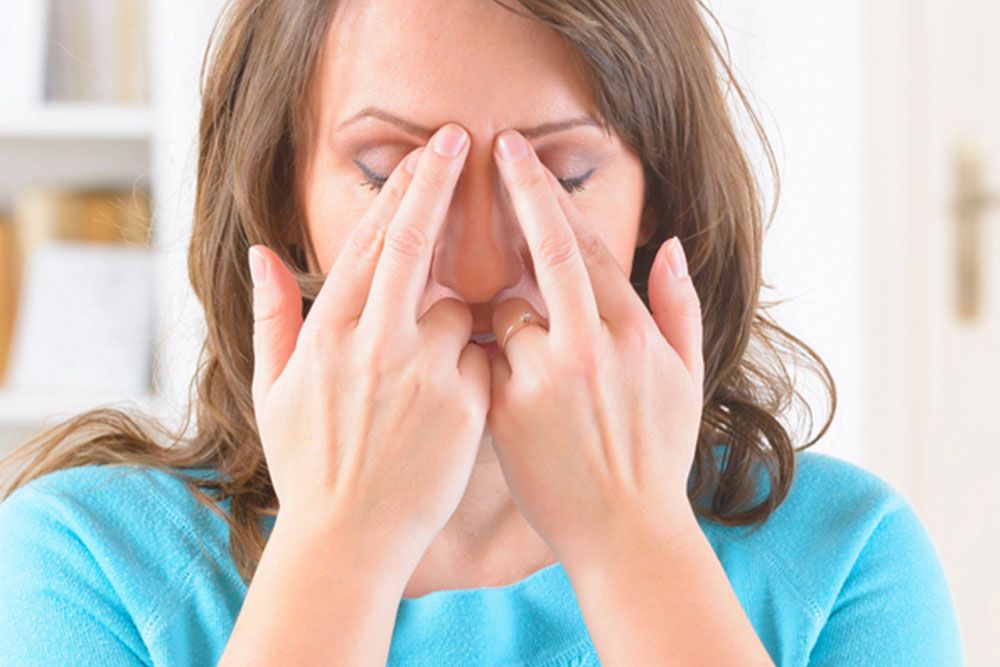
Anxiety tapping, often called Emotional Freedom Technique tapping, is a method many people use to help relieve symptoms of anxiety in their daily lives. At our practice, we believe in holistic techniques that support mental and physical health.
In this article, we explain how tapping for anxiety works, what the research shows, and how you might try it safely to support your wellness.
What Is EFT Tapping and How Does It Apply to Anxiety?
Emotional Freedom Technique tapping combines focused attention on distressing feelings with gentle fingertip stimulation of specific points on the body. These points are commonly based on acupressure loci along meridians in traditional Chinese medicine that are thought to help calm the nervous system.
When someone uses EFT tapping for anxiety, they typically identify what is causing worry, rate how intense that feeling is, then tap through a sequence while repeating phrases that acknowledge the distress and affirm acceptance of the self.
In the context of anxiety tapping, this method helps people notice where they feel anxiety, perhaps tension in the chest, racing heart, or restless thoughts, and then bring awareness to both their bodily sensations and emotions. That dual focus of body plus mind may help reduce overwhelming sensations.
The Scientific Research Behind EFT Tapping
Multiple clinical trials and reviews report that EFT treatment can reduce anxiety scores significantly when compared to control groups. A large review in 2022 found that clinical EFT is effective for psychological states like anxiety, depression, phobias, and post-traumatic stress disorder.
Another study showed that after only one session of therapeutic tapping, participants showed lower anxiety symptoms and changes in physiological markers associated with stress.
Research also found that tapping may lower levels of cortisol, a stress hormone, helping the body move out of a high alert state. This supports anxiety tapping as more than a mindset shift, it appears to have measurable effects.
How the Process Works
When someone tries EFT tapping for anxiety, a typical session will include several phases. First, the person identifies the specific feelings or situational stressor creating anxiety. They then rate how intense that anxiety feels, perhaps on a scale of zero to ten.
Next comes the “setup” phrase. That is a short sentence that acknowledges the issue and affirms acceptance of oneself despite the problem.
For example, a phrase may be “Even though I feel anxious about speaking up, I accept myself and desire calm.” While saying that, the person taps with their fingertips on certain points: the top of the head, the beginning of the eyebrow, the side of the eye, under the eye, under the nose, chin, collarbone, underarm, and side of the hand.
After going through that sequence while repeating a phrase, the person re-rates their anxiety to see whether it has decreased. If it has, the session may end or repeat until no greater change happens.
Why Tapping Can Alleviate Symptoms of Anxiety
Tapping for anxiety appears to help because it acts on both psychological and physical levels. On the psychological side, it helps bring awareness to thoughts and emotions, creating space to accept them rather than fight them. This is similar to exposure and cognitive reframing.
On the physical side, tapping stimulates acupressure points that seem to reduce activity in the body’s stress response systems. Studies show reductions in cortisol, improved heart rate measures, and reduced subjective distress.
Also, engaging in tapping activates the parasympathetic nervous system responses, the branch that supports rest, digestion, and recovery. That helps move the body out of “fight or flight” mode. Over time, regular practice of anxiety tapping may help train the nervous system so that anxiety responses become easier to manage.
What Kind of Anxiety Issues Respond Well to Tapping
EFT tapping for anxiety has been studied in many conditions. Generalized anxiety, social anxiety, phobias, post-traumatic stress disorder, and performance anxiety have all been included in studies that show benefit.
For people who are experiencing occasional anxious thoughts, occasional panic, or worry, tapping may offer fairly rapid relief. More severe or chronic anxiety may need multiple sessions, possibly in conjunction with other therapies like psychotherapy and medication.
How to Do Anxiety Tapping Safely and Effectively
When you try EFT tapping, do it in a quiet, private place where you feel safe. Start by closing your eyes and focusing on what is worrying you. Notice where in your body you feel that anxiety. Rate how strong that feeling is.
Select or create a setup phrase that acknowledges both the feeling and your self-acceptance. Use your fingertips to tap gently on each tapping point while repeating that phrase or variations of it. After one round, pause, breathe, and test the intensity again. If anxiety remains high, another round may help. Repeat as needed, but avoid forcing emotion or rushing through points.
It can help to learn EFT tapping under the guidance of a professional, especially if your anxiety is intense or associated with trauma. Using anxiety tapping in isolation may bring up difficult feelings, so having a safe support system is wise.
Integrating EFT Tapping with Other Approaches
At Oasis Mind & Body, we believe in combining mental health treatment with whole-body care. EFT tapping may be used as a part of therapy together with medication management, psychotherapy, wellness practices like Reiki, movement, nutrition, and stress management.
Our range of holistic approaches supports a full view of health. You may try tapping in between sessions or after you practice relaxation techniques or breathing exercises.
Using multiple strategies tends to produce a stronger outcome than relying on just one. For example, pairing anxiety tapping with breathing, meditation, or mindful movement may help deepen calm and reduce symptoms more steadily.
Limitations and When to Seek More Support
While many people gain benefits from EFT tapping, it is not a substitute for professional care in all cases. Some studies have methodological issues, small sample sizes, or rely on self-report. Changes may be less dramatic or slower for people with severe anxiety disorders or complex trauma.
If anxiety is interfering significantly with daily life, sleep, work, or relationships, or if thoughts of harm are present, it is important to seek care from a mental health professional. Medication and psychotherapy remain pillars of treatment for those cases.
Practical Tips to Get the Most Out of Tapping
Set aside regular time for tapping so that it becomes part of your routine. Use tapping when anxiety is moderate and not overwhelming. After tapping sessions, practice gentle rest or self-care. Track how you feel over days or weeks to notice progress.
Be kind to yourself in the process. It takes time for changes to accumulate. Use a gentle tone of acceptance in your setup phrases rather than pushing or judging.
EFT tapping for anxiety relief is a tool that many people find offers a reduction in physical and emotional distress. It works by combining mindful acknowledgement of anxiety with stimulation of body points that calm stress responses.
Used alongside other treatments, anxiety tapping can help people feel more grounded, calmer, and more able to respond to life’s challenges with greater ease.
Your Path to Calm Starts Here
At Oasis Mind & Body, we offer personalized psychiatric care and medication management, longer and same-day appointments, and no wait times. We welcome you to explore tapping and other holistic approaches in a supportive atmosphere that honors your time and wellness journey.
Our private, high-end office is designed to support your mental and physical health, with luxurious amenities like a Himalayan Salt Room, a Meditation Room, and a private gym to help you relax and recharge. Schedule your first session with our team and experience treatment designed to support your whole being.