

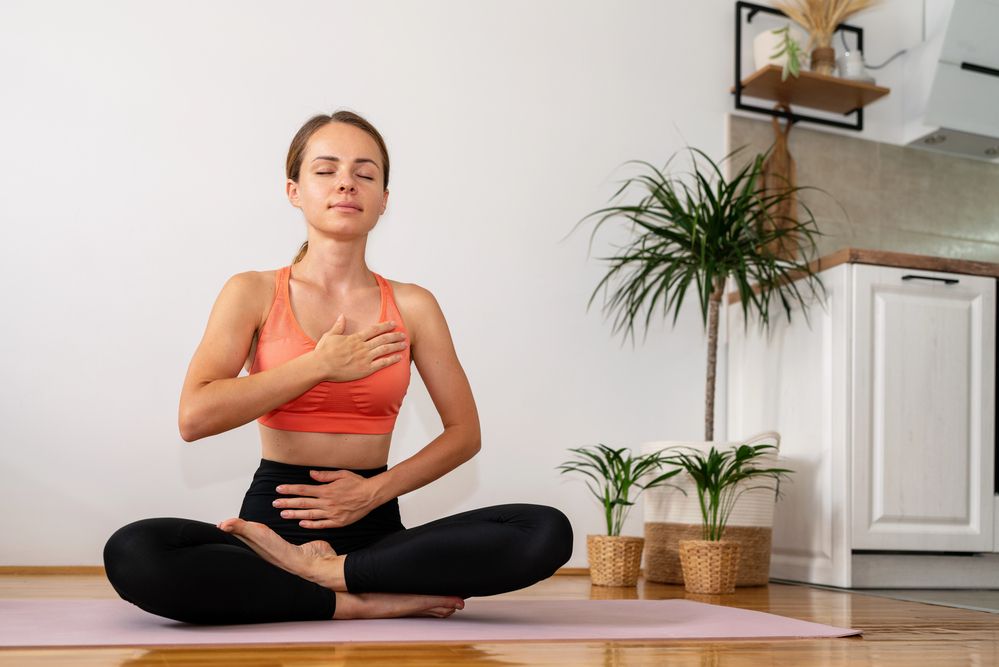
Breathwork for beginners is a simple yet powerful practice that offers a range of benefits, from reducing stress to improving emotional balance. Although it might seem overwhelming at first, starting with breathwork can be straightforward and deeply rewarding. Through focusing on intentional breathing exercises, you can activate your parasympathetic nervous system, helping your body relax and find calm.
In this post, we’ll take a closer look at breathwork for beginners and explore a few techniques that can kickstart your practice. These methods are easy to learn and great for improving your overall mind-body connection.
What Is Breathwork and Why Should You Try It?
Breathwork is essentially the practice of using controlled, mindful breathing to impact both your mind and body. Rooted in ancient practices like yoga and pranayama, breathwork has evolved into a modern wellness tool used for various purposes, such as stress relief, emotional healing, and enhancing physical health.
For those just starting, breathwork might seem intimidating, but it’s really about paying closer attention to your breath and learning to use it as a tool to support your well-being. The main goal of breathwork is to regulate the autonomic nervous system, which controls things like heart rate, breathing, and blood pressure. When you’re feeling anxious or stressed, your body typically activates the sympathetic nervous system (SNS), preparing you for a “fight or flight” response. Breathwork helps shift this balance towards the parasympathetic nervous system (PNS), which encourages your body to enter a relaxed, “rest and digest” state, helping you feel calm and in control.
The Importance of Breathwork for Beginners
Many people experience shallow or erratic breathing patterns due to stress or anxiety. When this happens, the body enters a state of heightened alertness, which can exacerbate feelings of stress and discomfort. Breathwork, on the other hand, helps regulate the breath, bringing it back to a natural and calming rhythm.
Through engaging in breathwork for beginners, you can activate the body’s relaxation response and lower the levels of stress hormones like cortisol. This can lead to a variety of benefits, including improved focus, better emotional regulation, a calmer nervous system, and enhanced sleep. For many beginners, breathwork becomes an invaluable tool for improving mental clarity and emotional balance.
Signs You May Benefit from Breathwork
Breathwork is a practice that can be incredibly helpful for a wide range of individuals, especially for those who are looking to manage stress, improve focus, or enhance their emotional well-being. If you’re unsure whether breathwork is right for you, here are some signs that may indicate it could be a beneficial practice in your life:
- Chronic Stress or Anxiety
If you find yourself often feeling overwhelmed, anxious, or stressed, breathwork can help you manage these emotions. Breathwork exercises activate the parasympathetic nervous system, which can help calm your body’s stress response. If you notice a constant sense of tension or struggle to unwind after a long day, breathwork can be a useful tool to help bring you back to a relaxed state. - Difficulty Sleeping or Restlessness
Struggling to fall asleep or stay asleep is another indicator that breathwork might help. Stress and anxiety are major contributors to sleep disturbances, and by practicing intentional breathing exercises, you can reduce the mental chatter and physical tension that prevent restful sleep. Breathwork can help signal to your body that it’s time to unwind and prepare for a night of deep rest. - Emotional Overwhelm or Uncertainty
If you frequently feel emotionally overwhelmed or disconnected from your feelings, breathwork may assist in bringing awareness and balance back to your emotional state. Breathwork encourages mindfulness, helping you tune into your body and emotions without becoming consumed by them. This practice allows you to release pent-up emotions and regain a sense of emotional control. - Lack of Focus or Mental Clarity
In today’s fast-paced world, it’s easy to feel mentally scattered. If you often find it difficult to concentrate or make decisions, breathwork can help clear mental fog. By practicing deep breathing, you increase oxygen flow to the brain, which enhances focus and sharpens mental clarity, allowing you to approach tasks with more energy and purpose.
If any of these signs resonate with you, incorporating breathwork into your routine could offer substantial benefits for both your mind and body. It’s a simple, accessible way to improve your well-being and feel more grounded.
Getting Started with Breathwork for Beginners
If you’re new to breathwork, starting simple is key. The following techniques are beginner-friendly, easy to learn, and can be practiced anywhere, anytime. As you grow more comfortable with these practices, you may wish to explore more advanced breathwork methods.
- Diaphragmatic Breathing: A Foundation for Relaxation
One of the best starting points for anyone new to breathwork is diaphragmatic breathing, also known as belly breathing. This technique focuses on breathing deeply into the diaphragm, allowing the lungs to fully expand and increasing the amount of oxygen that enters the body. It’s a natural way to slow down the breath and activate the parasympathetic nervous system, which helps the body return to a state of calm.
To practice diaphragmatic breathing, begin by finding a comfortable position, be it sitting or lying down. Place one hand on your abdomen and your other hand on your chest. As you inhale deeply through your nose, aim to expand your belly rather than your chest. When you exhale, allow your belly to fall. This type of deep breathing encourages slow, controlled inhalations and exhalations, which will help reduce anxiety, lower blood pressure, and promote relaxation.
With regular practice, diaphragmatic breathing becomes second nature and provides a solid foundation for other breathwork techniques. It can be done in just a few minutes throughout the day to reduce stress or before going to bed to promote better sleep.
- Box Breathing: A Structured Approach to Calm
Another effective technique for beginners is box breathing, sometimes known as square breathing. This practice involves inhaling, holding the breath, exhaling, and holding again for equal counts. The rhythm of this exercise helps to regulate the breath and calm the nervous system. Box breathing is particularly useful for those who want to reduce stress or regain focus, as it encourages mindfulness and brings awareness to the present moment.
To begin, find a comfortable seated position and take a few slow, deep breaths. Once you’re settled, inhale through your nose for a count of four. Hold your breath for a count of four. Then exhale through your mouth for a count of four. Finally, pause at the bottom of the exhale for a count of four. Repeat this cycle for a few minutes, gradually increasing the duration as you become more comfortable with the technique.
Box breathing is especially beneficial when you’re feeling overwhelmed or need to ground yourself in the present. It’s a simple and structured method that helps reduce stress, increase focus, and improve emotional control.
- 4-7-8 Breathing: A Tool for Relaxation
The 4-7-8 breathing technique is a simple yet effective method for inducing relaxation. By slowing the breath and extending the exhale, this technique promotes a calming effect on the body and mind. It’s particularly helpful for beginners who are looking to manage anxiety, improve sleep, or unwind after a long day.
To practice the 4-7-8 technique, start by doing a full exhale through your mouth. Inhale through your nose for four counts. Then, hold your breath for seven counts. Exhale slowly through your mouth for eight counts. Repeat the cycle for four breaths, and then gradually increase the repetitions. This pattern of breathing engages the parasympathetic nervous system and promotes relaxation, making it an excellent tool for calming the mind before bedtime or whenever you need a moment of peace.
- Breathing Through the Nose vs. Mouth
As a beginner, one important distinction to make is whether you’re breathing through your nose or mouth. For most breathwork practices, breathing through the nose is encouraged, as it helps regulate airflow and creates resistance that can improve lung capacity. Breathing through the nose also encourages diaphragmatic breathing, which helps activate the lower lungs and promotes a more relaxed state. Mouth breathing, on the other hand, can lead to shallow breathing and disrupt the body’s ability to slow down.
While some techniques, like 4-7-8 breathing, involve breathing out through the mouth, nose breathing should be prioritized for optimal relaxation and stress reduction.
- Alternate Nostril Breathing: A Simple Technique for Balance
Alternate nostril breathing, or Nadi Shodhana, is a technique that involves controlling the breath through each nostril alternately. This method is believed to bring balance to the body and mind by calming the nervous system and promoting greater harmony. While it may seem a bit challenging at first, once you get the hang of it, alternate nostril breathing becomes a calming ritual that helps clear the mind and boost focus.
To practice alternate nostril breathing, sit in a comfortable position. Make sure your spine is straight and shoulders are relaxed. Place your right thumb over your right nostril, and inhale slowly and deeply through your left nostril. At the top of the inhale, close your left nostril using your right ring finger. Then, do a slow exhale through your right nostril. Inhale through your right nostril, and then close the right nostril using your right thumb, exhaling through your left nostril. This completes one cycle. Repeat the cycle for several minutes. The technique is known for reducing anxiety, lowering blood pressure, and improving mental clarity.
- Pursed Lip Breathing: Slowing the Breath for Relaxation
Pursed lip breathing is a simple technique that helps slow down the breathing rate and promotes relaxation. This method is especially useful for beginners, as it focuses on the exhalation phase of the breath, allowing for a more controlled and deliberate release of air. It’s particularly helpful for those dealing with shortness of breath, such as those with asthma or COPD, but it can be beneficial for anyone looking to calm the nervous system and reduce stress.
To practice pursed lip breathing, start by sitting comfortably with your body relaxed. Inhale slowly and deeply through your nose for a count of two. Purse your lips as if you’re about to blow out a candle, and exhale slowly and deliberately for a count of four. By slowing the exhale, you help regulate the flow of air, allowing your lungs to expel more air and reduce the feeling of breathlessness. This technique is helpful for calming anxiety and promoting overall relaxation.
Building a Consistent Breathwork Practice
Now that you have learned several essential techniques for breathwork for beginners, the next step is to incorporate these practices into your daily routine. Consistency is key when it comes to experiencing the long-term benefits of breathwork. Here are a few ways to make breathwork a regular part of your life:
- Start each day with a short, intentional breathing session. Even if it’s just a few minutes of diaphragmatic breathing or box breathing, setting aside time in the morning to practice breathwork will help you set a positive tone for the day ahead.
- Practice breathwork whenever you feel stressed or anxious. Taking a few minutes to focus on your breath can immediately shift your nervous system into a more relaxed state.
- Incorporate breathwork before bed to promote better sleep. Techniques like 4-7-8 breathing can help calm your body and mind, making it easier to fall asleep and stay asleep.
- Explore other breathwork methods as you become more comfortable. There are many other advanced techniques, such as holotropic breathing or rebirthing, that you can try as you deepen your practice.
Remember that breathwork is not just about the physical act of breathing. It’s about creating space to be more aware of your body and mind, and to foster a sense of peace and calm within yourself. With regular practice, you’ll notice improvements in your emotional health, mental clarity, and overall well-being.
Ready to Start Your Healing Journey?
At OASIS Mind & Body, we believe in a holistic approach to mental health, integrating mind, body, and spirit to promote true well-being. Our practice blends traditional psychiatric care with personalized therapeutic services to help you become the best version of yourself. If you’re dealing with stress, anxiety, trauma, or emotional imbalance, our experts are here to guide you on your journey to healing and self-discovery.
Our services include comprehensive psychiatric care, medication management, and psychotherapy, such as Cognitive Behavioral Therapy (CBT) and Drama & Expressive Arts Therapy. We also offer a beautiful, high-end office space designed to make you feel relaxed and supported, with no wait times and longer appointments to ensure you have the time you need.
At OASIS Mind & Body, we take pride in providing personalized care that is truly focused on your needs. Our team takes the time to educate you about your diagnosis and treatment options, empowering you to make informed decisions about your mental health. Take the first step toward a balanced, healthier life. Schedule your appointment with OASIS Mind & Body today and experience the support and care you deserve. We’re here to help you take control of your mental and emotional well-being.